
When Project Playtime first launched in late 2022, I didn’t expect much. The toy-horror concept sounded gimmicky — another attempt to cash in on the Poppy Playtime universe. But after spending dozens of hours in the factory, both running for my life as a Survivor and hunting others as a Monster, I realized there’s something strangely addictive about this game.
Project Playtime isn’t your typical horror title. It’s chaotic, unpredictable, and full of personality. But it’s also buggy, unbalanced, and sometimes downright frustrating. Project Playtime review dives into every corner of that messy, fascinating toy factory — gameplay, mechanics, performance, strengths, weaknesses, and why it might (or might not) deserve your time in 2025.
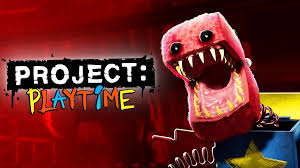
What Project Playtime Is (And What It Isn’t)
At its core, Project Playtime is an asymmetrical multiplayer horror game. Six players take the role of Survivors, while one player becomes the Monster. The Survivors must solve puzzles, collect toy parts, and build a massive toy to escape. Meanwhile, the Monster’s goal is simple: hunt everyone down before they finish the job.
Think Dead by Daylight meets Five Nights at Freddy’s, wrapped in a candy-colored nightmare. The factory setting blends bright, childlike visuals with eerie industrial decay, creating an unsettling contrast that keeps the tension alive.
Unlike Poppy Playtime, which focused on single-player storytelling, this is a fully multiplayer experience. It’s built for chaos, jump scares, and unpredictable player interaction — not for linear horror narrative.
A Toy Box of Meanings: The Linguistic Soul of Project Playtime
Let’s break down what gives this game its distinct flavor through its underlying themes and language.
The word “Playtime” itself is ironic. Normally, it suggests innocence, laughter, and childhood joy. Here, it’s twisted — “playtime” becomes dangerous, a distorted echo of safety. That irony sits at the heart of its horror appeal.
Conceptually, the game’s semantics revolve around survival, pursuit, and construction. Its lexicon includes words like grabpack, puzzle, sabotage, escape, revive, and monster. Its hyponyms — smaller elements under the broader horror umbrella — include the monster types (Huggy Wuggy, Mommy Long Legs, Boxy Boo), the puzzle mini-games, and sabotage abilities.
The hypernyms (broader categories) are horror game, survival game, multiplayer game. Its holonyms (whole systems) include the game world — composed of maps, characters, sound, puzzles, and items.
What makes Project Playtime unique is how it combines toy imagery (soft, harmless) with predatory behavior (hunt, sabotage, eliminate). That blend of innocence and dread — bright color and fear — gives the game its rare emotional duality.
Gameplay Mechanics & Flow
Survivor Role: Think, Build, Escape
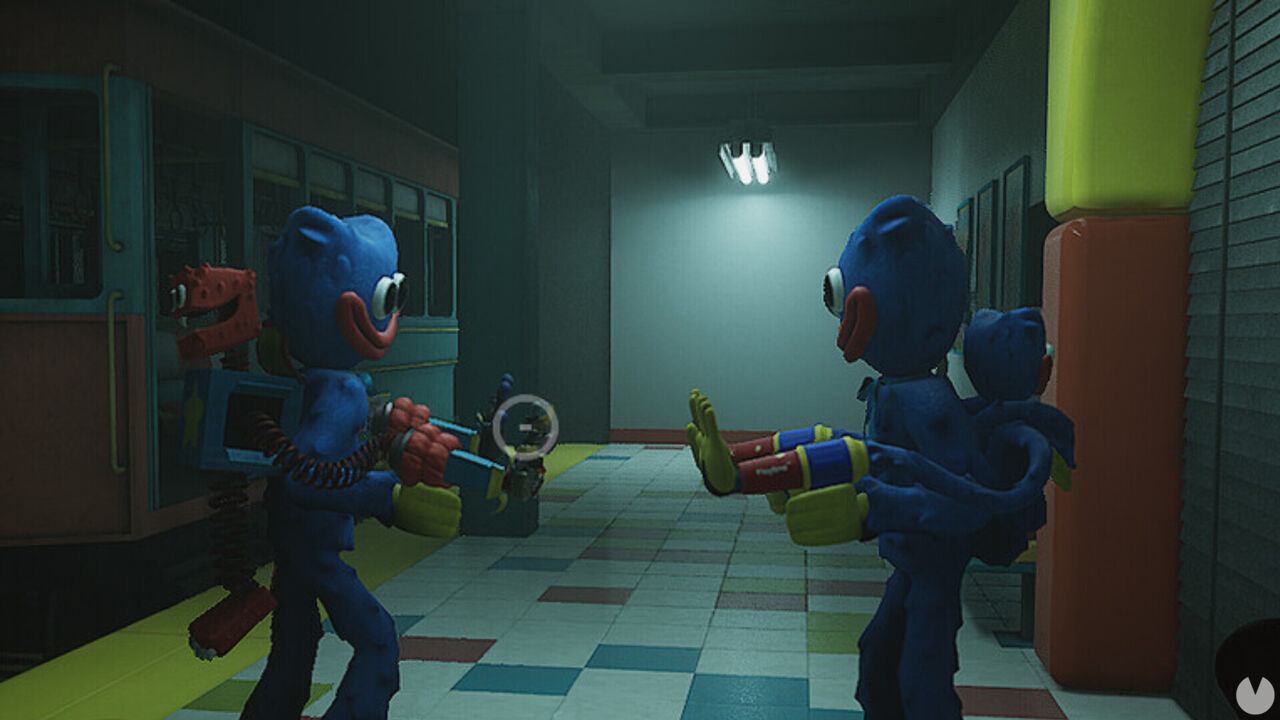
Playing as a Survivor feels tense but surprisingly strategic. You and your teammates have to collect toy parts scattered around the map. To unlock each part, you solve a small puzzle: Simon-says-style color patterns, gear rotations, or button timing challenges.
You carry a GrabPack, a pair of long mechanical arms used to pull levers, hold doors, and manipulate objects from afar. It’s the signature mechanic — both practical and thematic. It feels playful but also essential for survival.
As a Survivor, your best tools are teamwork, timing, and nerves of steel. There’s no combat. If the Monster spots you, your best bet is to run, hide, or use your GrabPack to slam a door behind you.
The beauty of Survivor gameplay is in its pacing. Quiet moments while solving puzzles are often shattered by sudden screams, footsteps, or the creak of a door. That unpredictability — that sense that safety could vanish at any second — is what makes Project Playtime effective.
Monster Role: Hunt, Trap, Dominate
Switching to the Monster role transforms the experience entirely. You become the threat. Each Monster has unique abilities:
-
Huggy Wuggy is fast and aggressive, perfect for close-quarters chases.
-
Mommy Long Legs uses webs and flexibility to traverse spaces quickly.
-
Boxy Boo can spring from boxes or compress himself for stealth ambushes.
Monsters also get Sabotage Powers — temporary disruptions like disabling puzzles, blinding survivors, or locking doors. Playing the Monster is empowering but requires finesse. Charge too early, and survivors scatter. Wait too long, and they finish assembling the toy.
When balanced, Monster gameplay is exhilarating. But when bugs or matchmaking issues hit, it can feel unfair — either too powerful or completely ineffective.
The Factory Maps
Each map in Project Playtime feels like a twisted playground. Brightly colored slides and oversized toys hide dark corners, vents, and crawlspaces. The environments combine industrial textures with childlike designs — a visual paradox that enhances the horror.
Good map knowledge makes all the difference. Knowing where to hide, where puzzles spawn, and where monsters often patrol can save your life.
Progression & Customization
Players earn Toy Tickets by playing matches, completing objectives, or ranking up. These tickets unlock perks, cosmetics, and Monster abilities. There’s also a Toy Box (essentially a battle pass) that rewards skins and emotes.
The good news: the game isn’t pay-to-win. You can’t buy power advantages. The bad news: earning currency is slow, and updates have occasionally reset player progress — a move that infuriated the community.
Technical Performance & Community Issues
Let’s be honest — Project Playtime is ambitious but unstable.
The servers can be unreliable. Sometimes matchmaking takes minutes; sometimes it crashes altogether. Bugs range from funny (floating arms) to infuriating (frozen players, broken hit detection, lost rewards).
There’s also a history of progression resets after major updates. Players who spent dozens of hours grinding perks saw everything vanish overnight. That understandably caused outrage.
The developers have acknowledged many of these problems but updates have been slow. While the foundation of the game is promising, it still feels like a work in progress rather than a finished product.
Strengths: What Makes Project Playtime Fun
-
A Fresh Spin on Multiplayer Horror
The toy factory setting and playful aesthetic set it apart from darker, grittier horror games. -
GrabPack Mechanics
The extendable arms add a layer of creativity and strategy — far more engaging than just running or hiding. -
Monster Variety
Three distinct monsters with different mechanics give replay value and depth. -
Team Cooperation
Few games force you to communicate and plan under this much pressure. It’s chaotic, but in a good way. -
Free Entry Point
Because it’s free-to-play, there’s zero risk in trying it out.
Weaknesses: Where the Toys Break
-
Technical Instability
Frequent bugs, lag, and matchmaking failures can ruin otherwise great sessions. -
Progression Wipes
Losing perks or cosmetics between updates discourages long-term investment. -
Repetitive Puzzles
Once you’ve seen the limited puzzle types, the loop starts to feel predictable. -
Balance Problems
Monsters can feel overpowered, especially when survivors are inexperienced. -
Sparse Updates
The lack of regular content drops risks losing player momentum.
How to Survive in Project Playtime: A Practical Guide
Tips for Survivors
-
Stick together. Lone survivors rarely last long.
-
Watch your corners. Monsters exploit blind spots.
-
Learn the sound cues. Every Monster has distinct noises — footsteps, roars, mechanical clicks.
-
Don’t get greedy. If a puzzle alarm goes off, abandon it. Saving your life is worth more than a few Toy Tickets.
-
Upgrade smartly. Focus on stealth and mobility perks early; cosmetics can wait.
Tips for Monsters
-
Plan ambushes. Don’t just chase — anticipate where survivors will go.
-
Use Sabotage tactically. Disable puzzles when multiple survivors gather nearby.
-
Know your strengths. Huggy thrives on speed; Mommy controls space; Boxy dominates tight zones.
-
Be patient. Sometimes waiting in silence is more terrifying than charging head-on.
Common Questions About Project Playtime
Is Project Playtime free to play?
Yes. The game is entirely free to download and play.
Does it have pay-to-win elements?
No. Purchases are cosmetic only. All perks and abilities come from gameplay progression.
Can you play solo?
No. It’s designed exclusively for multiplayer sessions.
Is it suitable for kids?
Despite its colorful visuals, the tone and jump scares make it better suited for teens and older players.
How scary is it, really?
It’s creepy and tense rather than gruesome. The combination of bright visuals and horror undertones makes it unsettling but not traumatic.
Will it get more updates?
Developers have stated plans for future patches and new content, but progress has been inconsistent.
The Community and Future Outlook
The community around Project Playtime is passionate but divided. Some players celebrate its creativity and replayability. Others are frustrated by bugs, lack of updates, and progression issues.
On forums and social channels, the loudest requests are clear: better servers, new maps, improved balance, and stable saves. Players want reassurance that the game will continue evolving rather than fading as another early-access experiment.
The developers have expressed ongoing commitment to refining the experience — and to their credit, when fixes land, they tend to make noticeable improvements. The question is whether they can sustain that momentum.
Final Verdict: Is Project Playtime Worth Your Time in 2025?
After all the laughter, jump scares, and occasional rage-quits, I can say this: Project Playtime is flawed but fascinating.
If you enjoy asymmetrical horror, teamwork, and the thrill of barely escaping a monstrous toy, this game delivers pure adrenaline. It has genuine charm and clever mechanics that make every match a small story of panic and coordination.
But — and it’s a big but — you have to be patient. Technical hiccups, resets, and balance issues can test your endurance. Project Playtime isn’t a polished blockbuster yet. It’s an experimental playground full of potential and chaos.
My advice? Play it with friends, expect a few crashes, and don’t take it too seriously. When everything clicks — when the factory hums with tension and you hear the Monster’s footsteps echo down the corridor — Project Playtime becomes something rare: a horror game that’s scary, funny, and genuinely memorable.