
There’s something oddly poetic about Last Day on Earth: Survival — a mobile survival game that’s been around for years but still refuses to die, much like its undead enemies. I first downloaded it back in 2018, out of sheer curiosity (and maybe a mild obsession with anything post-apocalyptic). Fast forward to 2025, and I’m still scavenging through abandoned bunkers, crafting improvised weapons, and cursing when my character dies of hunger because I forgot to cook meat before heading out.
This isn’t just another zombie game — it’s a test of patience, strategy, and resource management wrapped in a gritty, hauntingly quiet world. Let’s take a deep look at how Last Day on Earth evolved over the years, why it still dominates the mobile survival genre, and whether it’s still worth your time in 2025.
The World of “Last Day on Earth”: Gritty, Lonely, and Beautiful
Last Day on Earth (or LDoE, as fans call it) drops you into a world that’s equal parts barren and alive. The first thing you notice? Silence. No upbeat music, no tutorial voiceovers — just the sound of wind brushing through the dead grass and distant zombie growls.
Kefir! Games nailed the atmosphere. The game feels genuinely post-human. Every abandoned car, every collapsed wall tells a story — not through words, but through decay. It’s not cinematic in the The Last of Us sense, but it feels real in its emptiness.
If you’ve ever played Rust or DayZ, you’ll recognize the DNA here. The difference is that LDoE does it on your phone, without sacrificing depth. You’ll chop trees, mine stones, loot corpses, and craft everything from makeshift axes to military-grade rifles — if you survive long enough to find the parts.
Gameplay Mechanics: Tough Love from a Brutal World
Let’s be honest: Last Day on Earth doesn’t hold your hand.
You start with nothing — literally naked — and it’s up to you to make your way in a zombie-ridden wasteland.
Survival Loop
The gameplay follows a loop of:
-
Gather resources (wood, stone, cloth, food)
-
Craft tools and weapons
-
Build and upgrade your base
-
Fight zombies, animals, and sometimes, other survivors
-
Repeat
Sounds simple, right? But here’s the catch: everything takes time and energy.
Every trip to a new location consumes stamina. You’ll quickly learn that traveling too often without planning can leave you stranded — literally waiting hours for your character to “rest.” It’s frustrating, but it forces you to strategize, much like real survival would.
Crafting and Base Building
Crafting is the heart of LDoE. From crude spears to complex motorbikes, you’ll constantly be building, upgrading, and customizing. The deeper you go, the more rewarding it becomes.
Your base becomes your fortress — and trust me, after your first zombie horde raid, you’ll understand why walls and traps are more precious than gold.
Combat and Enemies
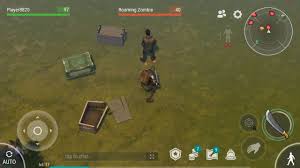
Combat in LDoE is deceptively simple. It’s all about positioning, timing, and resource management. The AI can be brutal — especially in bunkers, where a single mistake can wipe your progress.
There’s an odd satisfaction in sneaking up behind a zombie and landing that perfect critical hit.
Storytelling and Lore: Told Through Silence
There’s no main narrative in Last Day on Earth, but there’s plenty of storytelling if you know where to look.
Notes, diary entries, and ruined environments whisper fragments of humanity’s downfall.
It’s the kind of environmental storytelling that rewards exploration. You feel the weight of every empty house, every unopened crate. And in that loneliness, you start to form your own story — your personal fight for survival.
Progression and Updates: How the Game Has Aged
One of the reasons Last Day on Earth review still thrives in 2025 is its steady stream of updates.
Major Additions Over the Years
-
Bunkers and zones: Expanded massively, offering more dangerous (and rewarding) exploration zones.
-
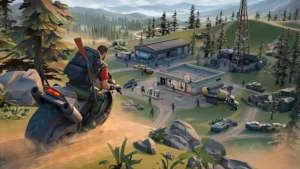
Vehicles: From bikes to ATVs and even helicopters (yes, it’s possible if you grind enough).
-
Seasonal Events: Holiday raids, zombie bosses, and time-limited areas keep the game fresh.
-
Multiplayer Elements: Still limited, but slowly improving through co-op features and AI-based survivor camps.
Kefir! has taken a slow-burn approach — not rushing features, but polishing the game’s systems over time. It’s frustrating at times, but it keeps the game from collapsing under its own complexity.
Graphics and Sound Design: Less Flash, More Feel
Visually, LDoE has aged remarkably well. The isometric camera may seem old-school, but it’s surprisingly effective in conveying tension and scope.
Textures are clean, environments detailed, and lighting plays a subtle role in mood.
Sound design is where it truly shines — every creak, growl, and distant howl matters. I still remember the first time I heard footsteps behind me in the forest, only to realize it was another player scavenging. My heart actually raced.
The Monetization Debate: Pay-to-Win or Fair Survival?
Let’s address the elephant in the bunker: monetization.
LDoE uses a freemium model — free to play, but with microtransactions for convenience. You can buy crates, energy refills, and rare items. But here’s the thing: you don’t need to.
Yes, it’s a grind. But it’s a fair grind if you’re patient. The game rewards consistency over spending. I’ve played for years without spending a cent, and while progress is slower, it’s deeply satisfying.
That said, some late-game crafting parts can feel borderline impossible to find without luck or payment — a point of frustration that long-time players will understand too well.
How to Survive Your First Week in “Last Day on Earth”
1. Don’t Rush Exploration
Your first instinct might be to run off and explore every area on the map. Don’t. You’ll waste energy and resources fast. Stick to nearby zones until you’ve built solid tools and a small base.
2. Craft Smarter, Not Harder
Prioritize tools and weapons. Always carry a spear — it’s cheap and can save your life early on.
3. Upgrade Storage Early
Space is gold. Invest in storage boxes as soon as you can. You’ll thank yourself later when you’re hoarding rare items.
4. Farm Bunker Alpha
It’s the best way to get rare loot and weapons early. Just be prepared for tough enemies.
5. Build Defenses
Zombies will raid your base occasionally. A few walls and traps can mean the difference between survival and total loss.
Player Experience: Why People Keep Coming Back
What keeps players like me returning to Last Day on Earth isn’t just the mechanics — it’s the routine.
You log in, check your base, gather resources, plan your next move. It’s almost meditative, in a strange way.
There’s also a real sense of ownership. Your base is your story. Your survival is your legacy.
And every small success — crafting a rare item, clearing a bunker, unlocking a vehicle — feels genuinely earned.
Community and Multiplayer: Slowly Evolving
The one major criticism that persists is the limited multiplayer experience. While you can visit AI-controlled survivor bases or encounter other players in special zones, true co-op play is still in its infancy.
Kefir! has hinted at larger social systems in the future, and fans are still hopeful. Until then, the community thrives on forums, Reddit, and Discord — trading tips, sharing base layouts, and venting about those darn Frenzied Giants.
FAQs About “Last Day on Earth” (2025)
Is Last Day on Earth still worth playing in 2025?
Absolutely. With new updates, improved crafting, and stable performance, it’s one of the most robust survival experiences on mobile.
Is the game pay-to-win?
Not strictly. You can play and progress for free, though paying can speed things up. It’s more “pay-for-convenience” than pay-to-win.
Can you play offline?
Yes, but you’ll miss online events and updates. Offline mode is great for basic resource farming.
How do you get rare items like engine parts and chopper gas tanks?
Mostly through bunker raids, special events, or high-risk areas. RNG can be brutal — patience is key.
Are there any alternatives?
If you enjoy LDoE, you might also like Prey Day, State of Survival, or Dawn of Zombies.
Pros and Cons
Pros
-
Deep crafting and survival systems
-
Beautifully designed post-apocalyptic world
-
Rewarding long-term progression
-
Constant updates keep the game fresh
Cons
-
Energy system limits playtime
-
Multiplayer still underdeveloped
-
Heavy grind in late game
-
Occasional bugs and lag
Conclusion: The End of the World Never Gets Old
In 2025, Last Day on Earth: Survival stands as a testament to endurance — both for the players and the game itself. It’s not perfect, it’s not flashy, but it’s real.
Every log chopped, every zombie dodged, every item crafted — it’s all part of a larger rhythm of survival. And somehow, that rhythm becomes addictive.
If you’re looking for a game that challenges your patience, rewards persistence, and immerses you in a world that feels truly desolate yet alive — Last Day on Earth is still worth every second of your time.
And as I log off tonight, leaving my survivor safely tucked behind reinforced walls, I can’t help but smile — because in this wasteland, surviving one more day always feels like victory.


